

What Is Title Insurance? Why It Matters to Long Island Buyers and Sellers
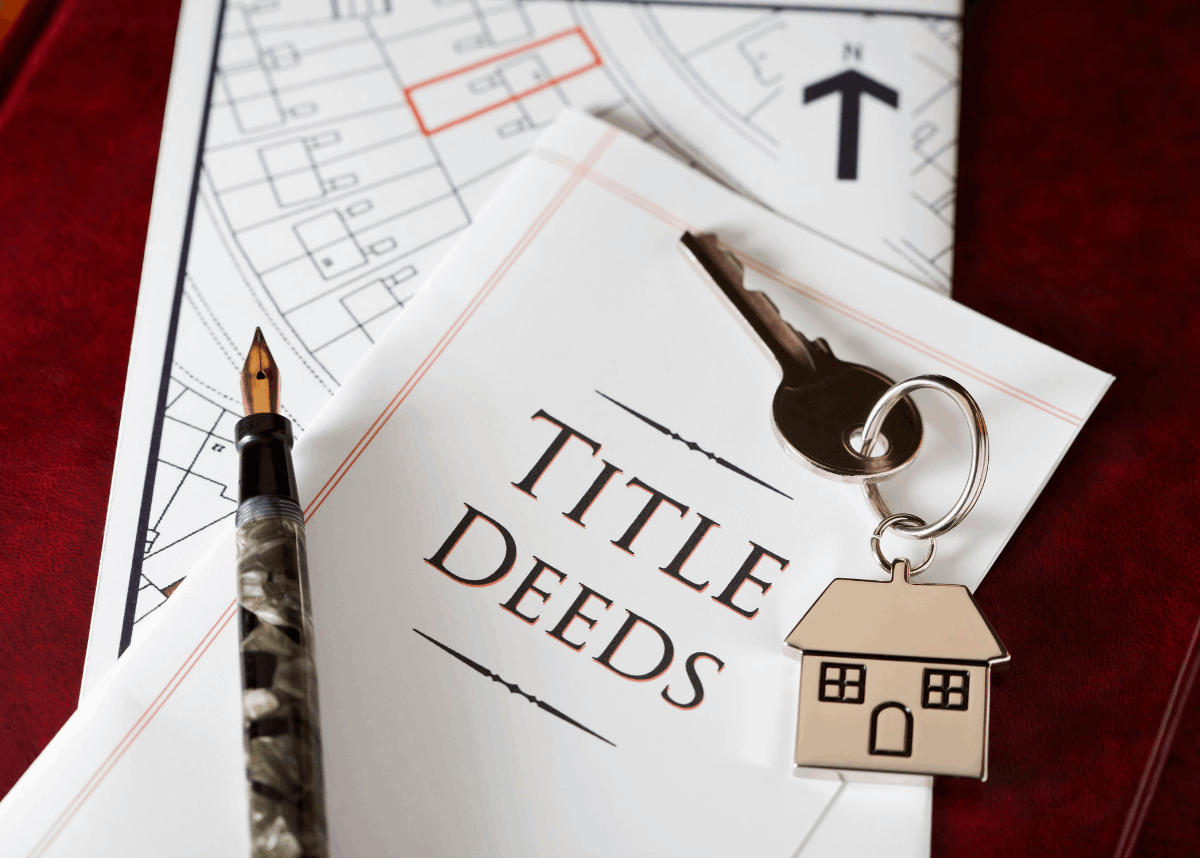
What Is Title Insurance? Why It Matters to Long Island Buyers and Sellers
When buying or selling a home, you'll hear a variety of unfamiliar terms—appraisals, escrow, title searches, surveys, and title insurance. While each plays an important role, title insurance is often one of the least understood parts of a real estate transaction.
Many buyers purchase title insurance because it's required by their lender or recommended by their attorney, but few understand what they're actually receiving. The good news is that title insurance serves a simple purpose: it helps protect against ownership issues that may not be discovered until after the purchase is complete.
Here's what every Long Island buyer and seller should know.
What Is a Property Title?
A property's title represents the legal rights of ownership. When you purchase a home, you're not just buying the physical structure—you are receiving legal ownership of the property.
Before ownership can be transferred, it's important to verify that the seller has the legal right to sell the property and that there are no outstanding issues that could affect the transfer.
What Is a Title Search?
Before closing, a title company performs a detailed examination of public records related to the property. This process, known as a title search, helps identify potential issues that could affect ownership.
The title search may uncover items such as:
- Outstanding liens
- Unpaid property taxes
- Judgments against previous owners
- Recording errors
- Easements affecting the property
- Boundary disputes
- Unknown heirs with ownership claims
- Fraudulent or forged documents in the chain of title
Whenever possible, these issues are addressed before closing so ownership can be transferred with confidence.
What Is Title Insurance?
Even after a thorough title search, some issues may remain hidden or undiscovered. Title insurance helps protect against certain covered claims that may arise after the purchase is complete.
Unlike homeowners insurance, which protects against future events such as fire or storms, title insurance helps protect against certain ownership-related issues that existed before you became the owner but weren't discovered during the title search.
Lender's Title Insurance vs. Owner's Title Insurance
There are two common types of title insurance policies.
Lender's Policy
Most mortgage lenders require a lender's title insurance policy. This policy protects the lender's financial interest in the property for the amount of the loan.
Owner's Policy
An owner's title insurance policy protects the homeowner's ownership interest in the property. While requirements vary by transaction, many buyers choose to obtain an owner's policy for additional peace of mind.
Why Does Title Insurance Matter?
Imagine purchasing your dream home only to discover months later that an old lien was never properly released or that a previously unknown ownership claim has surfaced.
Although situations like these are uncommon, resolving them can be time-consuming and expensive. Title insurance is designed to help protect against certain covered title defects that may arise after closing.
What Can Delay a Closing?
Title issues are one of several reasons a closing may be delayed. Common examples include:
- Open mortgages that haven't been properly satisfied
- Outstanding judgments
- Missing legal documents
- Unresolved estate matters
- Boundary questions
- Errors in public records
The earlier these issues are identified, the more time everyone has to resolve them before closing.
How Sellers Can Help Keep the Transaction Moving
While much of the title work takes place behind the scenes, sellers can help avoid delays by:
- Providing requested documents promptly.
- Disclosing known ownership issues.
- Resolving outstanding liens when necessary.
- Working closely with their attorney throughout the transaction.
Being proactive can often prevent last-minute surprises as the closing date approaches.
How Title Insurance Fits Into the Closing Process
Title work is one of several important steps that occur after a contract is signed. Along with the appraisal, mortgage approval, inspections, and final walk-through, it helps ensure that the transaction can proceed smoothly toward closing.
If you're currently under contract, you may also find these resources helpful:
Quick Takeaways
- ✓ A title represents legal ownership of a property.
- ✓ A title search looks for issues that could affect ownership.
- ✓ Title insurance helps protect against certain covered ownership issues that may not be discovered before closing.
- ✓ Lender's and owner's title insurance serve different purposes.
- ✓ Addressing title issues early helps transactions stay on schedule.
The Bottom Line
Title insurance may not be the most exciting part of buying or selling a home, but it's one of the most important safeguards in a real estate transaction. Understanding how title searches and title insurance work can help you move through the closing process with greater confidence and fewer surprises.
If you're planning to buy or sell a home on Long Island and have questions about title work, closing, or any part of the transaction, I'd be happy to help guide you through the process from start to finish.
Let's Get You Moved.
Categories
- All Blogs (163)
- Baby Boomers (5)
- Beaches (8)
- Buyer Education (32)
- Central Suffolk Living (2)
- Communities (18)
- Demographics (1)
- Distressed Properties (1)
- Down Payments (4)
- Featured (5)
- First Time Home Buyers (20)
- For Buyers (42)
- For Sellers (34)
- Foreclosures (1)
- Generation X (4)
- Golf (1)
- Holidays (3)
- Holidays on Long Island (1)
- Home Buying Tips (12)
- Home Financing (1)
- Home Improvement (1)
- Home Preparation (2)
- Home Selling Tips (9)
- Homeownership (1)
- Housing Market Updates (17)
- Housing Trends (1)
- Infographic (4)
- Interest Rates (5)
- Lifestyle (41)
- Local Attractions (24)
- Long Island Housing Market (5)
- Long Island Living (40)
- Long Island Real Estate (39)
- Market Insights (29)
- Move-Up Buyers (19)
- Neighborhood Guide (2)
- New Construction (2)
- North Shore Living (1)
- Outdoor & Recreation (4)
- Pricing (13)
- Real Estate Process (2)
- Relocation Guide (35)
- Rent vs. Buy (6)
- Seller Education (23)
- Selling Myths (9)
- Senior Market (3)
- South Shore Living (5)
- Suffolk County Real Estate (3)
- Things to Do (21)
- Western Suffolk Living (5)
- Western Suffolk Neighborhoods (2)
Recent Posts








R.E. Associate Broker License ID: 10301221652
+1(631) 257-1522 | kenville@listingsoflongisland.com