

Moving From NYC to Long Island? What Changes More Than You Expect

Moving From NYC to Long Island? What Changes More Than You Expect
Moving from New York City to Long Island can look deceptively simple on a map.
You're not moving across the country. You may not even be changing jobs. Friends and family could still be relatively close. Manhattan might remain part of your weekly routine.
But here's what many buyers discover once they seriously start looking:
You may only be moving 30 or 40 miles—but your day-to-day life can change a lot more than the distance suggests.
Suddenly, you're not just comparing bedrooms, bathrooms, and square footage.
You're thinking about property taxes. Heating systems. Roofs. Lawns. Driveways. Commuting. Train stations. Cars. Cesspools and septic systems. Home maintenance. Utility bills. And whether that extra half hour between two communities changes what your weekday actually feels like.
That's why I think moving from NYC to Long Island should be approached as more than a home search.
You're choosing a different version of your everyday life.
Your Home Search Gets Bigger—and More Complicated
One of the first changes is obvious.
You can potentially get a lot more physical space.
Instead of evaluating an apartment primarily by the interior, you may now be comparing houses with garages, basements, yards, decks, pools, sheds, driveways, multiple heating zones, central air, solar panels, and several different types of home construction.
That sounds like an upgrade—and depending on what you're looking for, it absolutely can be.
But every additional feature is also something you own.
That backyard needs maintenance. The roof eventually needs replacement. The driveway doesn't repair itself. The heating system has an age. The central air has an age. The pool has equipment. The trees belong to somebody. The fence has to survive another winter.
When you're coming from an apartment, it's easy to focus on everything you're gaining without immediately thinking about everything you'll now be responsible for.
That's one of the biggest mindset shifts in suburban homeownership.
More space doesn't just change where you live. It changes what you maintain. When comparing homes, consider the cost and responsibility of the entire property—not just the mortgage payment.
The Commute Becomes Part of the House
This may be the most important adjustment for anyone who still needs regular access to New York City.
In the city, you might think about how many blocks you are from the subway.
On Long Island, the conversation can become much broader.
How far is the house from the LIRR station? Are you walking, driving, getting dropped off, or taking a bus? What's the parking situation? Which branch serves the community? How does your particular train schedule line up with your workday? And after the train arrives back on Long Island, how long does it actually take to get home?
That's why I tell buyers who commute not to evaluate a location using train time alone.
A 55-minute train ride isn't necessarily a 55-minute commute.
There's the trip to the station, parking or drop-off, waiting, the train itself, and whatever travel is required once you arrive in the city.
Then you do it again in reverse at the end of the day.
That doesn't mean you need to live as close to Manhattan as possible.
It means the commute should be evaluated as part of the lifestyle you're purchasing.
Sometimes moving farther east gives you a home or property you prefer. Sometimes being farther west is worth paying more for because of the way you expect to travel.
Neither decision is universally right.
The important thing is understanding the tradeoff before you make it.
You're Probably Going to Think About Your Car Differently
For some NYC households, a car is optional.
For many parts of Long Island, it's much more integrated into everyday life.
Grocery shopping. Restaurants. Appointments. Visiting friends. Getting to the train. Running errands. Weekend activities.
Depending on where you live, many of those trips may involve driving.
And if you're moving from a one-car household to two cars, the change isn't just about buying another vehicle.
It's insurance, fuel or charging, maintenance, registration, and potentially another monthly payment.
That's a household-budget change that has nothing to do with the mortgage but can absolutely affect how comfortable that mortgage feels.
On the positive side, your relationship with parking may improve dramatically.
A driveway and garage can feel like luxury amenities after years of circling city blocks looking for a space.
But even here, look closely at the house you're buying. Some Long Island homes have had garages converted into living space, which may give you a larger interior while taking away parking and storage.
That's a tradeoff worth considering rather than automatically assuming more finished space is better.
Property Taxes Suddenly Become a Major Part of the Conversation
This is one of the biggest financial adjustments for buyers moving from NYC into a Long Island house.
Two homes with the same purchase price can have meaningfully different property-tax bills.
And because property taxes become part of your ongoing housing expense, that difference affects your monthly budget.
That's why I don't recommend deciding what you can afford based solely on purchase price.
You have to look at the entire monthly obligation.
Mortgage principal and interest. Property taxes. Homeowners insurance. Potential mortgage insurance. Utilities. Transportation. Maintenance. And any property-specific expenses.
I've gone deeper into that calculation in How Much House Can You Really Afford on Long Island? It's More Than the Mortgage Payment.
The important point for someone relocating from the city is that your purchase budget and your comfortable monthly budget aren't necessarily the same number.
Then There Are the Systems You May Never Have Thought About Before
Ask an apartment renter when the boiler was installed and there's a good chance the answer is:
“I have no idea.”
That's because it probably wasn't their responsibility.
Buy a house and suddenly those questions matter.
How old is the heating system?
Is the house heated with gas, oil, electricity, or another system?
Does it have central air or window units?
How old is the hot-water heater?
How old is the roof?
What kind of electrical service does the house have?
And then there's a particularly Long Island conversation:
Is the property connected to public sewer, or does it have a cesspool or septic system?
For buyers coming from NYC, this can be completely unfamiliar territory.
Depending on where you're buying, an onsite wastewater system may simply be part of owning the property.
That doesn't make the house undesirable. It means you need to understand what the property has, its condition, where it's located, and what maintenance or future replacement could involve.
I break that down separately in Cesspool, Septic, or Sewer? What Long Island Home Buyers Need to Know.
The Home Inspection May Feel Very Different
When you're buying a house, you're taking responsibility for considerably more than the space inside four walls.
That's one reason the home inspection becomes such an important educational part of the process.
A good inspection isn't simply about creating a list of things you want the seller to repair.
It's an opportunity to better understand the property you're considering buying.
Roof. Foundation. Electrical. Plumbing. Heating. Cooling. Attic. Basement or lower level. Drainage. Exterior conditions. Visible signs of moisture. Safety concerns.
For someone coming from apartment living, it can feel like a crash course in how a house actually works.
And that's a good thing.
You don't need a perfect house.
You need enough information to decide whether you're comfortable owning the house you're buying.
You'll Start Caring About Home Styles More Than You Expected
In an apartment search, layout certainly matters.
On Long Island, architectural style can fundamentally change how the entire house functions.
A Ranch can put nearly all of your everyday living on one floor.
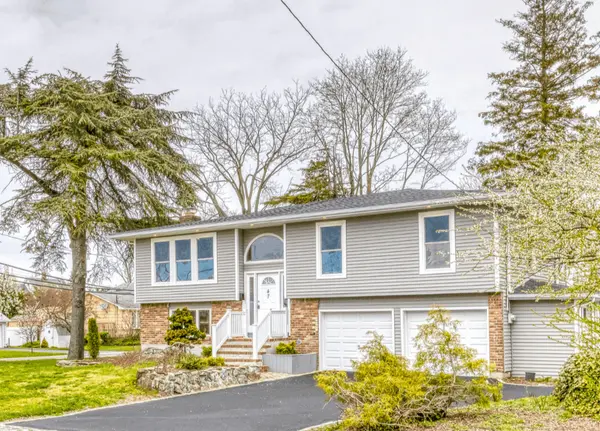
A Hi-Ranch divides living space between an upper and lower level.
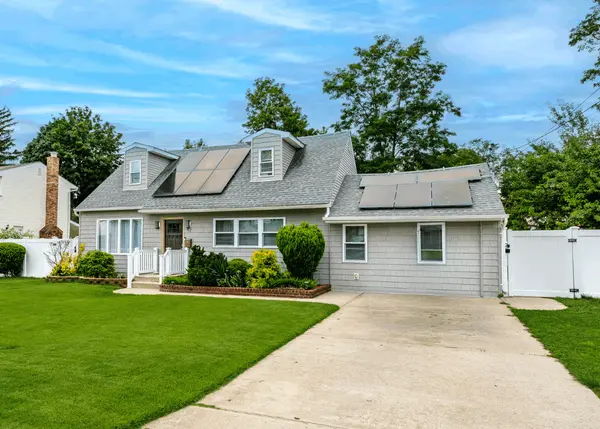
A Cape may offer bedrooms across two floors and possibilities for dormers or expansions.
A Colonial generally creates a more traditional separation between living areas downstairs and bedrooms upstairs.
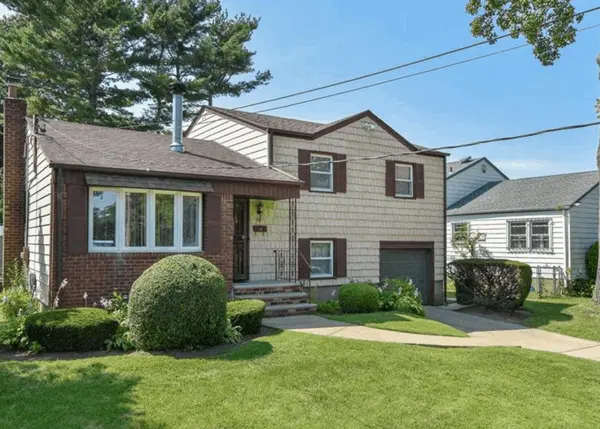
Split-Levels create yet another experience.
This is why two houses with identical bedroom and bathroom counts can feel nothing alike.
If you're just beginning to learn the different layouts, start with Is a Ranch Home Right for You? and Is a Hi-Ranch Right for You?.
Understanding which layouts work for you can eliminate a lot of homes that technically meet your search criteria but don't actually fit the way you want to live.
Your Everyday World May Become More Local
This is one of the lifestyle changes that's harder to understand from a listing.
In New York City, it's common for different parts of your life to happen in completely different neighborhoods.
You may live in one place, work somewhere else, meet friends across town, shop in another neighborhood, and think very little about crossing several areas during the course of a normal week.
On Long Island, your routine can become much more centered around the communities immediately surrounding your home.
The supermarket you use regularly. Your coffee shop. Gym. Parks. Restaurants. Pharmacy. Train station. Doctors. Highway access. Weekend errands.
That makes the area surrounding the house incredibly important.
And it also means you shouldn't choose a community based on somebody else's definition of the “best” place to live.
Think about what matters to you.
Do you want to be closer to the train? Do you value being near restaurants and shopping? Do you want easier highway access? Are parks or recreation important to your routine? How often do you expect to go into the city? Where are the people and places you'll visit most often?
Those are much more useful questions than asking which Long Island town is universally “better.”
More House Doesn't Automatically Mean More Financial Freedom
This deserves its own conversation because it's an easy trap to fall into.
You start searching Long Island homes and realize what your budget can potentially buy.
Three bedrooms. Maybe four. A backyard. Finished basement. Garage. Pool.
It's tempting to keep pushing toward the maximum amount your lender will approve.
But homeownership comes with costs that don't always appear in the listing price.
Heating a house costs money. Cooling it costs money. Maintaining the property costs money. Something eventually breaks. A larger yard may require equipment or landscaping. A pool has ongoing expenses. Commuting may cost more. You may add another vehicle.
And then there are the upfront expenses associated with actually purchasing the home.
That's why buyers should understand Long Island closing costs and leave themselves room after closing rather than treating every available dollar as part of the purchase.
Think Beyond “Can I Buy It?”
A better question is whether you can comfortably own it while continuing to save, maintain the property, handle unexpected expenses, commute, and live the rest of your life.
Don't Try to Choose Your Town Before You Understand Your Priorities
Long Island is too large and too varied to begin a search with a list of twenty communities and no clear reason why they're on it.
Instead, start with your life.
What's your comfortable purchase range?
How much space do you actually need?
How important is the commute?
How much property do you want to maintain?
Which home styles work for you?
What places do you need reasonable access to?
What monthly housing expense feels comfortable—not simply what a lender says you're qualified to spend?
Once those answers become clearer, you can start identifying communities and properties that meet those criteria.
That's a much more productive way to search than trying to rank towns based on somebody else's preferences.
Renting in NYC vs. Owning on Long Island Is an Ownership Change, Not Just an Address Change
This may be the biggest transition of all.
When something goes wrong in a rental, there's usually someone to call.
When you own the house, you're the someone.
That can be incredibly rewarding.
You can renovate. Paint. Landscape. Build equity. Make the space your own. Sit in your backyard on a summer evening and know that it's yours.
But ownership also means responsibility.
The furnace doesn't care that you just paid closing costs.
The roof doesn't wait until your savings account feels ready.
And the grass continues growing whether you're busy or not.
That's not meant to discourage anyone from homeownership.
It's exactly the opposite.
The more accurately you understand what ownership looks like before you buy, the better prepared you are to enjoy everything that comes with it.
The Bottom Line
Moving from NYC to Long Island isn't simply about trading an apartment for a house.
You're potentially changing the way you commute, shop, travel, spend weekends, manage your budget, maintain your home, and use the space around you.
Some of those changes may be exactly why you're considering the move in the first place.
More space.
A yard.
A driveway.
A home office.
A different pace when you walk through your front door.
But the smartest relocation decisions aren't based only on what you're moving away from.
They're based on understanding what you're moving to.
Before choosing a house—or even choosing a community—think about the life you want that house to support.
Because the right Long Island home isn't simply the one with more square footage.
It's the one where the house, location, costs, commute, and lifestyle make sense together.
Thinking About Making the Move From NYC to Long Island?
You don't have to start by knowing exactly which town or house style you want.
We'll start with your budget, commute, space requirements, lifestyle, and priorities, then narrow the search to the homes and communities that make sense for you.
Let's Get You Moved.
This article is intended for general educational purposes. Property taxes, transportation options, commuting times, utility costs, municipal services, property systems, and other conditions vary by home and location. Buyers should independently verify information important to their purchase and consult appropriate professionals when necessary.
Categories
- All Blogs (166)
- Baby Boomers (5)
- Beaches (8)
- Buyer Education (35)
- Central Suffolk Living (2)
- Communities (18)
- Demographics (1)
- Distressed Properties (1)
- Down Payments (4)
- Featured (5)
- First Time Home Buyers (20)
- For Buyers (42)
- For Sellers (34)
- Foreclosures (1)
- Generation X (4)
- Golf (1)
- Holidays (3)
- Holidays on Long Island (1)
- Home Buying Tips (12)
- Home Financing (1)
- Home Improvement (1)
- Home Preparation (2)
- Home Selling Tips (9)
- Home Styles (1)
- Homeownership (2)
- Housing Market Updates (17)
- Housing Trends (1)
- Infographic (4)
- Interest Rates (5)
- Lifestyle (41)
- Local Attractions (24)
- Long Island Housing Market (5)
- Long Island Living (42)
- Long Island Real Estate (42)
- Market Insights (29)
- Move-Up Buyers (19)
- Neighborhood Guide (2)
- New Construction (2)
- North Shore Living (1)
- Outdoor & Recreation (4)
- Pricing (13)
- Real Estate Process (2)
- Relocation Guide (36)
- Rent vs. Buy (6)
- Seller Education (24)
- Selling Myths (9)
- Senior Market (3)
- South Shore Living (5)
- Suffolk County Real Estate (3)
- Things to Do (21)
- Western Suffolk Living (5)
- Western Suffolk Neighborhoods (2)
Recent Posts





R.E. Associate Broker License ID: 10301221652
+1(631) 257-1522 | kenville@listingsoflongisland.com