

Preparing Your Long Island Home for Winter: What Matters Most Before the First Freeze

Preparing Your Long Island Home for Winter: What Matters Most Before the First Freeze
There's a particular moment every fall on Long Island when you realize winter isn't as far away as it seemed.
The mornings get colder. The leaves start piling up. You're reaching for the thermostat more often, and before long, the first freezing temperatures are in the forecast.
For homeowners, this is when a little preparation can make a meaningful difference.
I'm not talking about spending thousands of dollars on unnecessary upgrades or turning every weekend into a home improvement project. I'm talking about understanding which parts of your home are most vulnerable to winter weather and addressing potential problems before they become expensive repairs.
Here on Long Island, winter brings its own combination of challenges. We can experience freezing temperatures, heavy rain, snow, coastal winds, and periods of thawing and refreezing—all within the same season.
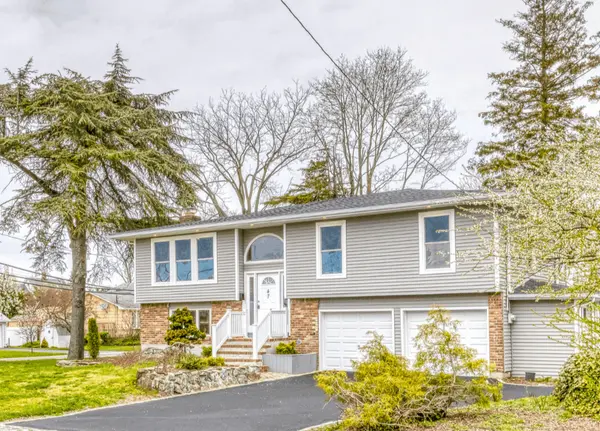
And whether you own a Ranch in Deer Park, a Hi-Ranch in Ronkonkoma, a Colonial in Huntington, or a waterfront property along the South Shore, the condition of your home's major systems matters much more than how attractive it looks from the street.
The good news? Many of the most worthwhile preparations are relatively straightforward when you handle them early.
Here's where I'd focus your attention before winter settles in.
Start With the System You'll Depend on Most: Your Heat
Your heating system probably isn't something you think about much during the summer.
But when temperatures drop into the twenties and teens, it's suddenly one of the most important pieces of equipment in your home.
Long Island homes use several different heating systems, including oil-fired boilers, natural gas boilers, forced-air furnaces, electric heating, and heat pumps.
Each system has different maintenance requirements, but the principle is the same: don't wait until the first bitterly cold night to find out something isn't working.
If you have an oil-fired boiler, schedule appropriate professional service and make sure your fuel-delivery arrangements are in place. If you have natural gas heating, have the equipment inspected and serviced according to the manufacturer's recommendations.
For forced-air systems, check the filter and replace it when necessary. If you have a heat pump, make sure the outdoor equipment is clear of leaves and other obstructions, and follow the recommended maintenance schedule.
Pay attention to unusual noises, inconsistent heating, frequent cycling, or rooms that never seem to reach a comfortable temperature. These can be signs that something deserves professional attention.
And while you're thinking about heating, test your carbon monoxide alarms and confirm they're installed in the locations required by applicable codes and manufacturer instructions.
Fuel-burning heating equipment should be maintained by qualified professionals. Carbon monoxide is odorless, and a malfunctioning appliance or venting system can create a serious safety hazard.
My recommendation: If your heating system hasn't been serviced recently, make that one of your first appointments. Preventive maintenance is much easier to schedule before everyone starts calling for emergency repairs.
Don't Forget the Outdoor Faucets and Irrigation System
This is one of those small maintenance tasks that's easy to overlook until the damage is already done.
Many Long Island homes have outdoor hose connections, sprinkler systems, or both. When water remains trapped in vulnerable pipes and temperatures drop below freezing, it can expand and potentially damage the plumbing.
Before freezing weather arrives, disconnect garden hoses, drain them, and store them somewhere protected.
If your home has a conventional outdoor faucet with an interior shutoff valve, close the valve and drain the exterior line according to the system's design.
Frost-free faucets are designed to reduce freezing risk, but they still need to be used and maintained properly. Leaving a hose attached can interfere with drainage.
And if you have an in-ground sprinkler system, arrange for proper winterization before sustained freezing temperatures arrive.
Irrigation systems often require specialized equipment and procedures. Improperly using compressed air can damage components or cause injury, so professional winterization is generally a sensible choice.
A cracked irrigation line or damaged exterior faucet can create an unpleasant surprise when you turn the water back on in the spring—or sooner if the failure affects plumbing inside the home.
This is one of those situations where a little preparation now can prevent a much larger inconvenience later.
Pay Attention to Pipes in Unheated Areas
Outdoor plumbing isn't the only place freezing can become a problem.
Water lines running through unheated garages, crawl spaces, poorly insulated exterior walls, or other cold areas may be vulnerable during extended periods of freezing weather.
Some Long Island homes have plumbing routed through areas that aren't immediately visible, especially where additions or renovations have changed the original layout.
If you've experienced frozen pipes in the past, don't assume the problem won't return.
Look for areas where cold air can reach plumbing and consider appropriate insulation or air sealing. Where necessary, have a qualified plumber evaluate the situation.
During extreme cold, keeping the home adequately heated and opening cabinet doors where appropriate can help warmer indoor air circulate around pipes located against exterior walls.
If you plan to travel during the winter, avoid turning the heat completely off. Arrange for someone to check the property when appropriate, particularly during severe weather.
And make sure you know where your main water shutoff valve is located.
If a pipe bursts, being able to shut off the water quickly can significantly reduce the amount of damage.
Your Gutters Matter More Than You Think
By late fall, gutters throughout Long Island can become packed with leaves, twigs, and debris.
It may not seem urgent when the weather is dry. But once we start getting heavy rain, melting snow, or freezing conditions, clogged gutters can create problems.
Gutters are designed to collect roof runoff and direct it away from the house. When they're blocked, water can overflow in places it wasn't intended to go.
That may contribute to moisture around the foundation, staining or deterioration of exterior surfaces, and icy conditions near entrances or walkways.
In colder weather, ice accumulation along roof edges can also become a concern, particularly where attic heat loss and roof conditions contribute to ice-dam formation.
Cleaning the gutters won't solve every roof or drainage issue, but it's an important part of maintaining the system.
While you're at it, check that downspouts are attached and directing water to an appropriate location away from the foundation.
If you're not comfortable working on a ladder, hire someone who is properly equipped. Falls can turn a routine maintenance task into a serious injury.
And if your home is surrounded by mature trees, one cleaning early in the fall may not be enough. A final inspection after most of the leaves have dropped can be especially worthwhile.
Look for Water Problems Before Winter Makes Them Worse
Water management is one of the most important—and sometimes overlooked—parts of homeownership.
Think about what happens during a typical Long Island winter. We might receive several inches of rain, followed by freezing temperatures, then a warmer stretch that melts snow and ice.
All that water has to go somewhere.
If your property has grading issues, clogged drains, damaged downspouts, or low areas where water collects, winter weather may expose problems that weren't obvious during the summer.
Walk around your home after a significant rainfall. Look for standing water near the foundation, unusually wet areas, or runoff moving toward the house.
Inside, pay attention to basement walls, lower-level rooms, crawl spaces, and areas around windows where moisture may be entering.
This can be particularly important in Hi-Ranches and other homes with finished lower levels, where moisture problems may affect living areas, flooring, or stored belongings.
If you discover repeated water intrusion, don't simply cover the evidence with paint or flooring. Identify and address the source.
Water problems rarely become less expensive because they're ignored.
Check the Roof, Flashing, and Exterior Openings
You don't need to climb onto your roof to perform a useful seasonal visual check.
From the ground, look for obvious signs of missing or displaced shingles, damaged gutters, loose exterior components, or areas that appear to need attention.
Inside the attic, if it's safely accessible, look for signs of staining or moisture that may indicate an existing roof problem.
Flashing around chimneys, vents, and roof penetrations can be particularly important because these areas help keep water from entering the structure.
If you notice anything concerning, have a qualified roofing professional inspect it before severe weather arrives.
The same principle applies to windows, exterior doors, siding, and other openings.
Damaged weatherstripping or gaps around doors and windows can allow cold air and moisture to enter. Replacing worn seals and addressing appropriate gaps may improve comfort while reducing unnecessary heating demand.
Be careful not to block intentional drainage openings or required ventilation paths when sealing exterior gaps.
Not every draft requires a major renovation. Sometimes the solution is as simple as replacing a worn door sweep or repairing deteriorated weatherstripping.
Insulation and Air Leaks: The Comfort Issues You Don't Always See
Have you ever walked from one room into another and noticed a dramatic temperature difference?
Maybe the upstairs bedrooms are comfortable, but the lower level feels cold. Or perhaps one room never seems to warm up, no matter how long the heating system runs.
Sometimes those differences are related to heating distribution. Other times, insulation and air leakage play a major role.
Older Long Island homes may have insulation levels or air-sealing details that differ substantially from current construction practices.
Heat can escape through poorly insulated attics, gaps around penetrations, and other parts of the building envelope.
Before investing in a larger heating system or replacing equipment that still functions properly, it may be worth evaluating whether the home is losing conditioned air unnecessarily.
A professional energy assessment can help identify opportunities for improvement and prioritize work based on the home's actual condition.
The U.S. Department of Energy offers useful guidance on weatherizing your home, including insulation, air sealing, and related efficiency improvements.
One caution: attic ventilation, combustion air, and moisture control should be considered together. Improperly sealing a home can create other problems, so more complicated improvements are best evaluated by qualified professionals.
Long Island's Coastal Weather Deserves Special Attention
One of the things that makes Long Island such a desirable place to live is our proximity to the water.
But coastal exposure can create additional maintenance considerations, especially during winter storms.
Homes near the South Shore, North Shore, bays, harbors, and other exposed areas may experience stronger winds, salt exposure, or coastal flooding risks depending on their exact location and elevation.
If you own a property in an area subject to coastal flooding, review your flood-risk information and emergency planning before a storm is approaching.
Pay attention to outdoor equipment, fencing, loose furniture, gates, and other items that could be damaged or displaced by strong winds.
If your home has a deck, outdoor stairs, or elevated entry, inspect visible railings and connections for deterioration.
Coastal homeowners should also understand whether their insurance coverage addresses the types of damage their property could experience. Standard homeowners insurance generally does not cover flooding, and flood insurance is typically separate.
Not every waterfront or near-water property faces the same risks. The important thing is to understand the conditions specific to your home rather than relying on assumptions about an entire neighborhood.
Prepare Your Yard Without Overdoing It
Outdoor maintenance doesn't have to stop just because the growing season is winding down.
Fall is a good time to assess trees and shrubs, clear excessive debris from drainage areas, and put away outdoor equipment that won't be needed until spring.
If you have large trees near the house, garage, or overhead utility lines, look for visibly damaged or hanging branches and consult a qualified tree professional where necessary.
Avoid attempting to remove large limbs or perform work near power lines yourself.
Outdoor furniture, umbrellas, lightweight decorations, and other loose items should be secured or stored before strong winter storms.
If you own a pool, make sure it has been properly winterized according to the equipment and pool manufacturer's requirements. Covers, plumbing, pumps, and other components all deserve attention.
And if you have a shed or detached structure, take a few minutes to check its roof, doors, and general condition.
The goal isn't to create a perfect yard in November.
It's to prevent loose, damaged, or neglected items from becoming bigger problems during winter weather.
Think About What Happens If the Power Goes Out
Long Island homeowners know that severe weather can sometimes interrupt electrical service.
Depending on your home's heating system, losing electricity may also mean losing heat, even if the equipment uses oil or natural gas.
That's because many heating systems depend on electricity for controls, pumps, blowers, or ignition.
It's worth having a practical plan before an outage occurs.
Keep flashlights, batteries, necessary medications, drinking water, and basic supplies accessible. Charge essential devices when significant weather is expected, and understand how to report an outage to your utility provider.
If you use a portable generator, operate it outdoors only, well away from doors, windows, and vents, following the manufacturer's safety requirements. Never operate a generator inside a garage, basement, or home, even with doors open.
Portable generators can produce deadly carbon monoxide, and improper electrical connections can create electrocution and backfeed hazards.
For general emergency planning, the federal Ready.gov winter weather guidance is a useful starting point.
You don't need to prepare for every imaginable scenario. But having a basic plan makes it much easier to respond calmly when the weather becomes unpredictable.
What If You're Planning to Sell Your Home This Winter?
If you're considering putting your home on the market during the colder months, winter maintenance becomes part of your selling preparation.
Buyers may be especially attentive to heating performance, drafts, signs of water intrusion, roof conditions, and the general condition of exterior areas.
A warm, comfortable home with clear walkways, functioning lighting, and well-maintained systems can create a better showing experience.
That doesn't mean every homeowner needs to replace an older boiler, install new windows, or complete major upgrades before listing.
It means understanding the home's condition and addressing maintenance issues that could interfere with showings, inspections, or a buyer's confidence.
If you're planning to sell, it may also be helpful to keep records of recent heating service, roof repairs, drainage improvements, and other completed maintenance.
These records don't replace an inspection or establish that a system is free of defects, but they can help buyers understand how the property has been maintained.
The most effective pre-sale preparation is often about making the home easier to evaluate—not spending money on improvements that won't necessarily be reflected in the final sale price.
Where Should You Start If You Only Have One Weekend?
Not everyone has the time or budget to address every maintenance item at once.
If you're trying to prioritize, start with the items that could create safety concerns, water damage, or loss of heat.
Confirm that your heating system is functioning properly and arrange needed service. Check your smoke and carbon monoxide alarms. Disconnect exterior hoses and arrange irrigation winterization. Inspect gutters and downspouts, and address obvious drainage concerns.
Then look at vulnerable plumbing, exterior doors and windows, and any signs of roof or moisture problems.
Finally, prepare outdoor areas and organize basic supplies for severe weather.
Some tasks can be completed in an afternoon. Others require a licensed or qualified professional. The important thing is knowing which issues deserve immediate attention and which improvements can be planned over time.
A home doesn't have to be new to perform well through winter. It needs to be understood, maintained, and prepared for the conditions it's likely to face.
The Bottom Line: Winter Preparation Is Really About Protecting Your Investment
Owning a home on Long Island comes with responsibilities that change throughout the year.
In the summer, you're thinking about air conditioning, landscaping, and outdoor spaces. In the winter, the priorities shift toward heating, plumbing, moisture control, insulation, and weather protection.
The best approach isn't to wait until something breaks.
It's to pay attention to the systems that keep your home safe, comfortable, and functioning properly.
A serviced heating system, properly winterized outdoor plumbing, clear drainage paths, and a little advance planning can help reduce the risk of preventable problems.
And when an issue does require professional attention, finding it early often gives you more options than discovering it during a winter storm.
Whether you've owned your home for twenty years or just received the keys to your first Long Island property, taking care of it is part of protecting the investment you've made.
Thinking About Your Next Move on Long Island?
Whether you're preparing to sell your current home, considering a purchase, or simply planning for the responsibilities of homeownership, understanding the condition and long-term costs of a property matters.
With more than 20 years of Long Island real estate experience, I help buyers and sellers look beyond the listing photos and make informed decisions about their homes.
If you're considering a move, let's discuss your goals, your timeline, and the opportunities available in today's market.
Let's Get You Moved.
This article provides general homeownership information and is not a substitute for professional inspections, maintenance, or safety advice. Home conditions and municipal requirements vary. Consult qualified contractors, plumbers, electricians, HVAC professionals, and other appropriate specialists for property-specific concerns.
Categories
- All Blogs (172)
- Baby Boomers (5)
- Beaches (8)
- Buyer Education (37)
- Central Suffolk Living (2)
- Communities (18)
- Demographics (1)
- Distressed Properties (1)
- Down Payments (4)
- Featured (5)
- First Time Home Buyers (20)
- For Buyers (42)
- For Sellers (34)
- Foreclosures (1)
- Generation X (4)
- Golf (1)
- Holidays (3)
- Holidays on Long Island (1)
- Home Buying Tips (13)
- Home Financing (1)
- Home Improvement (1)
- Home Preparation (2)
- Home Selling Tips (12)
- Home Styles (2)
- Homeownership (4)
- Housing Market Updates (17)
- Housing Trends (1)
- Infographic (4)
- Interest Rates (5)
- Lifestyle (41)
- Local Attractions (24)
- Long Island Housing Market (6)
- Long Island Living (45)
- Long Island Real Estate (47)
- Market Insights (29)
- Move-Up Buyers (19)
- Neighborhood Guide (2)
- New Construction (2)
- North Shore Living (1)
- Outdoor & Recreation (4)
- Pricing (13)
- Real Estate Process (2)
- Relocation Guide (36)
- Rent vs. Buy (6)
- Seasonal Real Estate (2)
- Seller Education (26)
- Selling Myths (9)
- Senior Market (3)
- South Shore Living (5)
- Suffolk County Real Estate (3)
- Things to Do (21)
- Western Suffolk Living (5)
- Western Suffolk Neighborhoods (2)
Recent Posts






R.E. Associate Broker License ID: 10301221652
+1(631) 257-1522 | kenville@listingsoflongisland.com