

Cesspool, Septic, or Sewer? What Long Island Home Buyers Need to Know
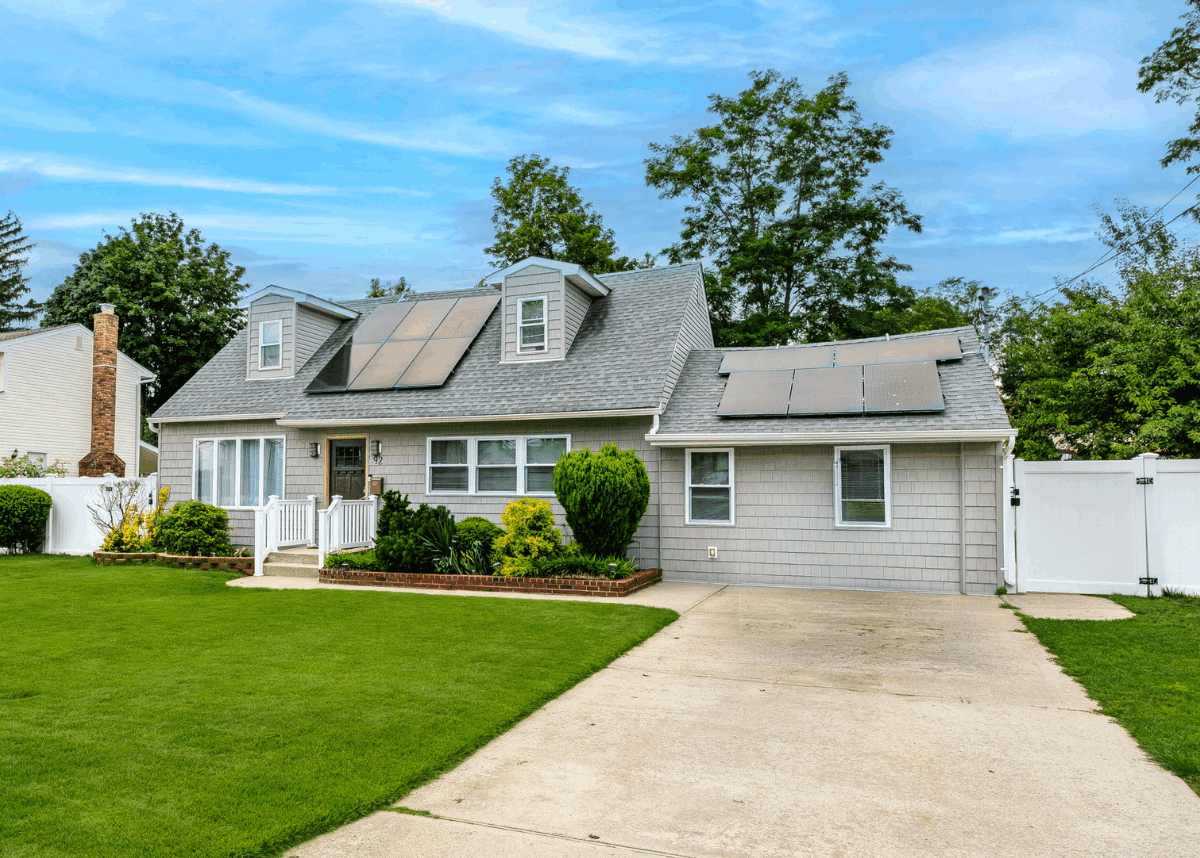
Cesspool, Septic, or Sewer? What Long Island Home Buyers Need to Know
You walk into a house and immediately start noticing the things you can see.
The kitchen. The bedrooms. The condition of the roof. The backyard. Maybe you're already picturing where the furniture will go.
But one of the more important systems in a Long Island home may be something you can't see at all.
I'm talking about what happens after you flush the toilet, run the dishwasher, take a shower, or do a load of laundry.
Depending on where you're buying, the property may use a cesspool, a septic system, an advanced onsite wastewater treatment system, or a public sewer connection.
And if you've always lived somewhere with public sewer, discovering that the house you're considering has a cesspool can lead to an immediate question:
“Is that a problem?”
Not necessarily.
Homes across Long Island have successfully relied on onsite wastewater systems for generations. In fact, Suffolk County estimates that nearly 70% of its homes use cesspools or septic systems.
What matters as a buyer is understanding what the property has, its condition, what maintenance may be required, and what that could mean for you after closing.
First, a Cesspool and a Septic System Aren't Exactly the Same Thing
On Long Island, you'll frequently hear people use the words cesspool and septic interchangeably.
They're related, but they're not the same system.
A traditional cesspool is essentially an underground structure that receives household wastewater and allows the liquid portion to disperse into the surrounding soil.
A conventional septic system generally adds another step. Wastewater first enters a septic tank, where solids settle and some separation occurs, before the liquid wastewater moves into a leaching or absorption area.
Then there are newer Innovative/Alternative Onsite Wastewater Treatment Systems, commonly called I/A OWTS. These systems provide more advanced treatment and are designed to significantly reduce nitrogen before wastewater is discharged into the ground.
That's becoming increasingly important on Long Island because nitrogen from traditional cesspools and septic systems has been identified by both Suffolk and Nassau Counties as a significant contributor to groundwater and surface-water problems.
So when someone tells you, “The house has septic,” don't stop there.
Find out what type of system is actually installed.
And Then There's Public Sewer
A sewer-connected property works differently.
Instead of treating and dispersing wastewater primarily on the property, wastewater leaves the home through a sewer connection and is transported to a wastewater treatment facility.
For a homeowner, that generally means you don't have a conventional cesspool or septic system sitting underground in the yard that requires the same type of onsite maintenance.
But don't translate that into “sewer means no wastewater-related costs.”
Depending on the location, sewer-connected properties can be subject to sewer district charges, usage-related costs, assessments, or other expenses. Responsibility for the home's sewer lateral—the pipe connecting the house to the public system—can also be an important consideration.
So just as I wouldn't automatically reject a house because it has a cesspool, I wouldn't assume a sewer-connected house comes with zero responsibilities.
They're simply different systems with different ownership considerations.
The important question isn't, “Which system sounds better?” It's, “What does this particular property have, what condition is it in, and what will I be responsible for as the homeowner?”
How Do You Know What a House Has?
Don't assume.
The listing may provide information about the sanitary system, but during the buying process you should work to verify what actually serves the property.
Depending on the home, useful information may come from the seller, property records, municipal or county records, prior installation or service documentation, and the professionals inspecting the property.
You may also want to know where the system is located.
That's especially relevant if you're imagining future improvements to the property. The location of an onsite wastewater system can potentially affect where certain additions, pools, structures, or other improvements can be placed, subject to applicable requirements.
In other words, don't just ask:
“Does it have a cesspool?”
Ask:
“What exactly is there, where is it, and what do we know about it?”
Should You Inspect a Cesspool or Septic System Before Buying?
If the property relies on an onsite wastewater system, this is something I want my buyers thinking about during their due diligence.
A standard home inspection evaluates many components of a house, but don't automatically assume it includes a complete evaluation of the cesspool or septic system.
Ask specifically what's included and whether a separate qualified professional should inspect the sanitary system.
Depending on the circumstances, an inspection may help identify the system's apparent condition, signs of failure, accessibility, or other issues that deserve further investigation.
You'll also want to ask the seller what they know.
- What type of system serves the property?
- Where is it located?
- How old is it, if known?
- When was it last serviced or pumped?
- Have there been backups, overflows, odors, or drainage problems?
- Has the system ever been repaired or replaced?
- Are permits, approvals, installation records, or service records available?
A seller may not know every answer, particularly with an older home. That's exactly why inspection and independent verification can be valuable.
What Are the Warning Signs of a Potential Problem?
Some wastewater problems make themselves known pretty quickly. Others aren't nearly as obvious.
Slow drains throughout the house, recurring backups, sewage odors, unusually wet or soggy areas in the yard, or wastewater surfacing near the system are all things that deserve attention.
But the absence of an obvious problem during a 30-minute showing doesn't tell you everything about what's happening underground.
That's why I wouldn't recommend walking around the yard, deciding everything “looks fine,” and considering the issue settled.
This is one of those parts of a home purchase where the right professional evaluation can tell you much more than appearances alone.
What Happens If the System Is Older?
An older system isn't automatically a reason to walk away from a house.
Long Island has an enormous stock of older homes, and many properties have wastewater systems that have been in service for years.
Age is information. Condition is information. Maintenance history is information.
What you do with that information depends on the complete situation.
If an inspection identifies a significant concern, that's something to discuss with your attorney, inspector, agent, and any other appropriate professional before deciding how you want to proceed.
Depending on the circumstances and the terms of the transaction, that could mean additional investigation, obtaining estimates, discussing the issue with the seller, or deciding whether the property still makes sense for you.
What I don't want is for a buyer to discover the system for the first time after closing.
Suffolk County Buyers Should Know About I/A Systems
This is an area of Long Island homeownership that's changing.
Suffolk County has been working to reduce nitrogen pollution from older cesspools and conventional septic systems by encouraging the installation of advanced I/A Onsite Wastewater Treatment Systems.
These systems are designed to remove substantially more nitrogen from wastewater than traditional systems before it enters the ground.
That's important because Long Island relies heavily on groundwater, and wastewater management has become a major part of the region's broader effort to protect drinking water, bays, rivers, and other waterways.
For buyers, this means you may encounter homes that already have an I/A system installed—or properties where an upgrade could become part of your future ownership plans.
If the house already has an advanced system, ask for information about the system, approvals, installation, and required maintenance.
These aren't necessarily “install it and forget it” systems. Certain I/A systems require ongoing professional maintenance.
There May Be Money Available to Help With an Upgrade
This is where things get particularly interesting for Suffolk County homeowners.
As of 2026, eligible Suffolk County property owners may be able to combine county and New York State grant programs for as much as $45,000 in available funding toward the installation of a qualifying I/A wastewater treatment system.
Suffolk County's Septic Improvement Program currently provides grants of up to $20,000 for qualifying projects, while the New York State Septic System Replacement Program can provide eligible funding of up to $25,000.
Eligibility matters.
For example, Suffolk County says qualifying properties generally must be existing residential properties currently using a cesspool or septic system, meet applicable program requirements, and receive the necessary approval before installation. Properties connected to sewer generally aren't eligible, and other restrictions apply.
Because programs, funding levels, and eligibility requirements can change, homeowners should verify the current rules directly through Suffolk County's Septic Improvement Program before making financial decisions.
What About Nassau County?
Nassau County also has homes and businesses that rely on cesspools and septic systems, particularly in areas outside sewer districts.
Nassau's S.E.P.T.I.C. program provides eligible homeowners and other qualifying property owners with grants of up to $20,000 toward replacing an existing conventional or failing system with approved nitrogen-reducing technology.
If you're purchasing a Nassau property with an onsite system, check current eligibility and program requirements directly with Nassau County.
Public Sewer Is Expanding in Parts of Long Island
There's another reason buyers shouldn't think of a property's wastewater system as a permanent, never-changing detail.
Sewer infrastructure continues to evolve.
Suffolk County, for example, has major wastewater infrastructure projects underway and planned, including sewer district improvements and expansions intended to replace thousands of older residential and commercial cesspool systems over time.
That doesn't mean you should assume the home you're considering will eventually receive sewer service.
If someone tells you that “sewers are coming,” verify it.
There's a meaningful difference between discussing sewer expansion, having a project planned, being located within a proposed district, having infrastructure under construction, and actually having a property that can connect.
For a purchase where future sewer access is important to you, confirm the status with the appropriate municipality or sewer authority rather than making your decision based on neighborhood conversation.
Does a Cesspool or Septic System Make a Home Less Desirable?
I wouldn't look at it that way.
On Long Island, particularly in Suffolk County, onsite wastewater systems are simply part of owning many homes.
The better distinction is between a system you understand and one you don't.
A buyer who knows what type of system they're purchasing, has investigated its condition, understands its maintenance requirements, and has considered future costs is in a much better position than someone who simply assumes everything underground is fine.
The same thinking applies to public sewer.
Don't choose a house solely because the listing says “sewers,” and don't reject another solely because it says “cesspool.”
Evaluate the entire property.
Before You Make an Offer, Ask These Questions
When you're seriously considering a Long Island home, add the wastewater system to the same mental checklist as the roof, heating system, electrical panel, and other major components.
- Is the property connected to public sewer or an onsite wastewater system?
- If onsite, is it a cesspool, conventional septic system, or I/A system?
- Where is the system located?
- What is known about its age and condition?
- When was it last serviced?
- Are permits, approvals, warranties, or maintenance records available?
- Should the system be separately inspected?
- If it's an I/A system, what ongoing maintenance is required?
- If public sewer is planned for the area, what is the actual project status?
- Could future plans for the property be affected by the existing system or applicable requirements?
You may not have every answer before making an offer. That's what due diligence is for.
But knowing which questions need to be answered can prevent an important part of the property from being overlooked.
The Bottom Line
Cesspool, septic, sewer—it may not be the part of house hunting anyone gets excited about.
But it's part of understanding what you're actually buying.
If the home has an onsite system, learn what type it is, investigate its condition, understand the maintenance involved, and consider what a future repair or upgrade could mean.
If the property is connected to public sewer, understand the applicable charges and homeowner responsibilities rather than assuming there are none.
And if you're told sewer service is coming to the neighborhood, verify where that project actually stands.
Buying a home is about much more than what you can see during a showing. Sometimes, one of the most important questions you can ask is about what's happening underneath the lawn.
Buying a Home on Long Island?
I'll help you look beyond the countertops and bedrooms and ask the questions that matter about the property you're considering—from taxes and inspections to cesspools, septic systems, sewers, and the overall cost of ownership.
The goal isn't simply to find a house you love. It's to help you understand what you're buying before you call it home.
Let's Get You Moved.
This article is intended for general educational purposes. Wastewater system requirements, grant programs, sewer projects, eligibility standards, permits, and regulations vary by property and jurisdiction and may change. Buyers and homeowners should verify property-specific information with the appropriate county, municipality, health department, qualified inspector, engineer, attorney, or other applicable professional.
Categories
- All Blogs (163)
- Baby Boomers (5)
- Beaches (8)
- Buyer Education (32)
- Central Suffolk Living (2)
- Communities (18)
- Demographics (1)
- Distressed Properties (1)
- Down Payments (4)
- Featured (5)
- First Time Home Buyers (20)
- For Buyers (42)
- For Sellers (34)
- Foreclosures (1)
- Generation X (4)
- Golf (1)
- Holidays (3)
- Holidays on Long Island (1)
- Home Buying Tips (12)
- Home Financing (1)
- Home Improvement (1)
- Home Preparation (2)
- Home Selling Tips (9)
- Homeownership (1)
- Housing Market Updates (17)
- Housing Trends (1)
- Infographic (4)
- Interest Rates (5)
- Lifestyle (41)
- Local Attractions (24)
- Long Island Housing Market (5)
- Long Island Living (40)
- Long Island Real Estate (39)
- Market Insights (29)
- Move-Up Buyers (19)
- Neighborhood Guide (2)
- New Construction (2)
- North Shore Living (1)
- Outdoor & Recreation (4)
- Pricing (13)
- Real Estate Process (2)
- Relocation Guide (35)
- Rent vs. Buy (6)
- Seller Education (23)
- Selling Myths (9)
- Senior Market (3)
- South Shore Living (5)
- Suffolk County Real Estate (3)
- Things to Do (21)
- Western Suffolk Living (5)
- Western Suffolk Neighborhoods (2)
Recent Posts







R.E. Associate Broker License ID: 10301221652
+1(631) 257-1522 | kenville@listingsoflongisland.com