

Is a Split-Level Home Right for You? A Long Island Buyer's Guide
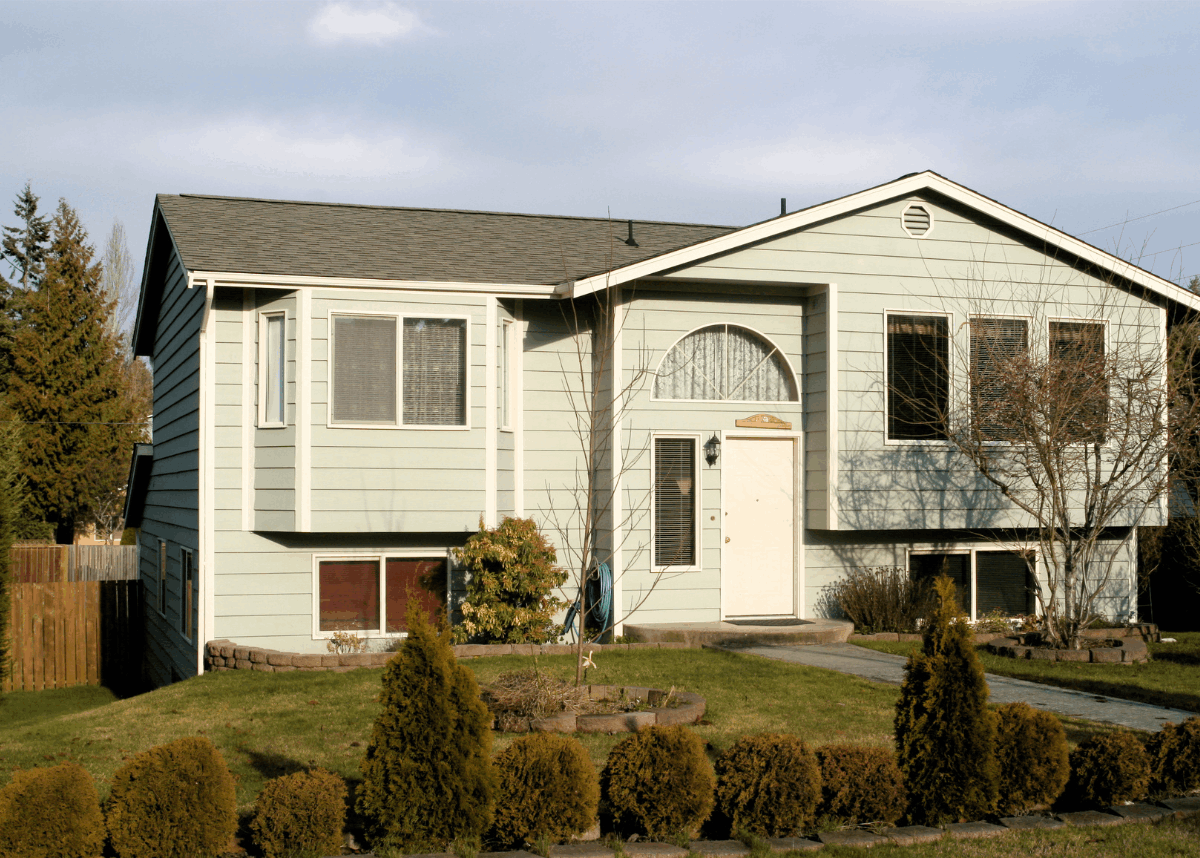
Is a Split-Level Home Right for You? A Long Island Buyer's Guide
If you've spent any time searching for homes on Long Island, you've almost certainly come across split-level homes. They are one of the region's signature architectural styles, found throughout Nassau County and many western Suffolk County communities, and they continue to attract buyers looking for a practical balance between space, functionality, and everyday living.
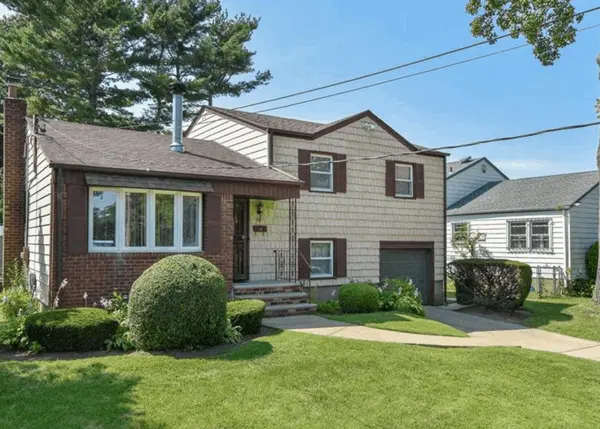
Unlike a traditional two-story home or a one-level ranch, a split-level is designed with multiple staggered floors, creating separate spaces for living, entertaining, and relaxing while maintaining a connected feel throughout the home.
For many buyers, that layout is exactly what makes a split-level so appealing. For others, it's worth taking the time to understand how the design fits their lifestyle before deciding if it's the right choice.
A Home Designed Around Everyday Living
One of the defining characteristics of a split-level home is how it separates different parts of daily life. Instead of having every room on one floor or all bedrooms upstairs, split-level homes typically divide living spaces into multiple levels connected by short staircases.
The main floor often serves as the heart of the home, with the kitchen, dining room, and living room creating a natural gathering place. Bedrooms are usually positioned on an upper level, while a lower level often provides additional living space, a family room, home office, recreation area, or direct access to the garage.
That separation allows different parts of the home to serve different purposes without feeling disconnected.
More Separation Without Feeling Too Large
Many buyers appreciate split-level homes because they create a sense of privacy between living areas without requiring a large two-story layout. It's often easier for different activities to happen simultaneously, whether someone is watching television downstairs while others are cooking, working, or entertaining on another level.
The staggered design also helps many homes feel larger than their square footage might suggest. Instead of one long hallway or a completely open floor plan, each level creates its own purpose while remaining visually connected to the rest of the home.
For households that appreciate defined spaces, this layout can offer a comfortable balance between openness and privacy.
How Does a Split-Level Compare to a Ranch?
Buyers often find themselves choosing between two of Long Island's most recognizable home styles: the ranch and the split-level. While ranch homes offer the convenience of one-level living, split-level homes provide additional separation between living spaces without the height of a traditional two-story home.
Neither design is inherently better. The right choice depends on how you live, entertain, and use your space. If you're still weighing the differences, our guide to buying a ranch home on Long Island explores why that style continues to be one of the region's most popular options.
Things Buyers Should Consider
Before purchasing a split-level home, it's worth considering how the layout fits your everyday routine. Because the home is divided by multiple short staircases, moving between levels becomes part of daily life. Some buyers enjoy the separation, while others prefer the simplicity of a single-level floor plan.
It's also important to evaluate how each level is being used. Some homes feature beautifully finished lower levels, while others may offer opportunities for future customization. Understanding how the space supports your current needs—and how it might evolve over time—can help you make a more informed decision.
Why Split-Level Homes Remain Popular on Long Island
Split-level homes became especially popular during Long Island's suburban expansion in the 1950s and 1960s. Builders embraced the design because it maximized living space while fitting comfortably on suburban lots, and homeowners appreciated the flexible layouts they provided.
Today, you'll find split-level homes throughout communities such as Commack, Deer Park, North Babylon, West Islip, Smithtown, East Islip, and many other neighborhoods across Nassau and Suffolk County.
As you compare different communities, remember that the home style is only one part of the equation. The surrounding neighborhood, transportation access, downtown areas, and everyday amenities all contribute to the overall experience of homeownership. That's one reason we've been building community guides, including our recent look at living in Babylon Village, to help buyers understand what life is like beyond the front door.
Resale Value and Long-Term Appeal
Split-level homes continue to attract consistent buyer interest because they offer a practical combination of living space, flexibility, and classic suburban design. While updates, condition, and location always influence value, this home style has remained relevant through changing market cycles.
Buyers who understand how the layout supports their lifestyle often find split-level homes to be an excellent long-term investment—not only because of their functionality, but also because they remain a familiar and desirable option throughout much of Long Island.
The Bottom Line
Split-level homes have earned their place as one of Long Island's most enduring home styles. Their thoughtful layouts, flexible living spaces, and strong resale appeal continue to attract buyers looking for a home that balances functionality with everyday comfort.
The best way to know if a split-level is right for you is to experience several in person, compare them with other home styles, and consider how each layout fits the way you want to live—not just today, but for years to come.
If you're ready to explore split-level homes or compare them with other Long Island home styles, I'd be happy to help you navigate the options and find the right fit. Let's get you moved.
Categories
- All Blogs (168)
- Baby Boomers (5)
- Beaches (8)
- Buyer Education (37)
- Central Suffolk Living (2)
- Communities (18)
- Demographics (1)
- Distressed Properties (1)
- Down Payments (4)
- Featured (5)
- First Time Home Buyers (20)
- For Buyers (42)
- For Sellers (34)
- Foreclosures (1)
- Generation X (4)
- Golf (1)
- Holidays (3)
- Holidays on Long Island (1)
- Home Buying Tips (12)
- Home Financing (1)
- Home Improvement (1)
- Home Preparation (2)
- Home Selling Tips (9)
- Home Styles (2)
- Homeownership (3)
- Housing Market Updates (17)
- Housing Trends (1)
- Infographic (4)
- Interest Rates (5)
- Lifestyle (41)
- Local Attractions (24)
- Long Island Housing Market (5)
- Long Island Living (44)
- Long Island Real Estate (44)
- Market Insights (29)
- Move-Up Buyers (19)
- Neighborhood Guide (2)
- New Construction (2)
- North Shore Living (1)
- Outdoor & Recreation (4)
- Pricing (13)
- Real Estate Process (2)
- Relocation Guide (36)
- Rent vs. Buy (6)
- Seller Education (24)
- Selling Myths (9)
- Senior Market (3)
- South Shore Living (5)
- Suffolk County Real Estate (3)
- Things to Do (21)
- Western Suffolk Living (5)
- Western Suffolk Neighborhoods (2)
Recent Posts




R.E. Associate Broker License ID: 10301221652
+1(631) 257-1522 | kenville@listingsoflongisland.com