

What Does a Home Inspection Really Tell You? A Long Island Buyer's Guide
What Does a Home Inspection Really Tell You? A Long Island Buyer's Guide
For many buyers, the home inspection is one of the most anticipated—and sometimes most stressful—parts of purchasing a home. It's common to wonder what the inspector will find and whether every item on the report should be cause for concern.
The truth is that no home is perfect. Even well-maintained properties typically have items that appear on an inspection report. The goal of a home inspection isn't to determine whether a house is flawless; it's to provide buyers with a better understanding of the property's overall condition and help them make an informed decision.
Knowing what to expect before the inspection can make the entire process feel much less overwhelming.
What Does a Home Inspector Look At?
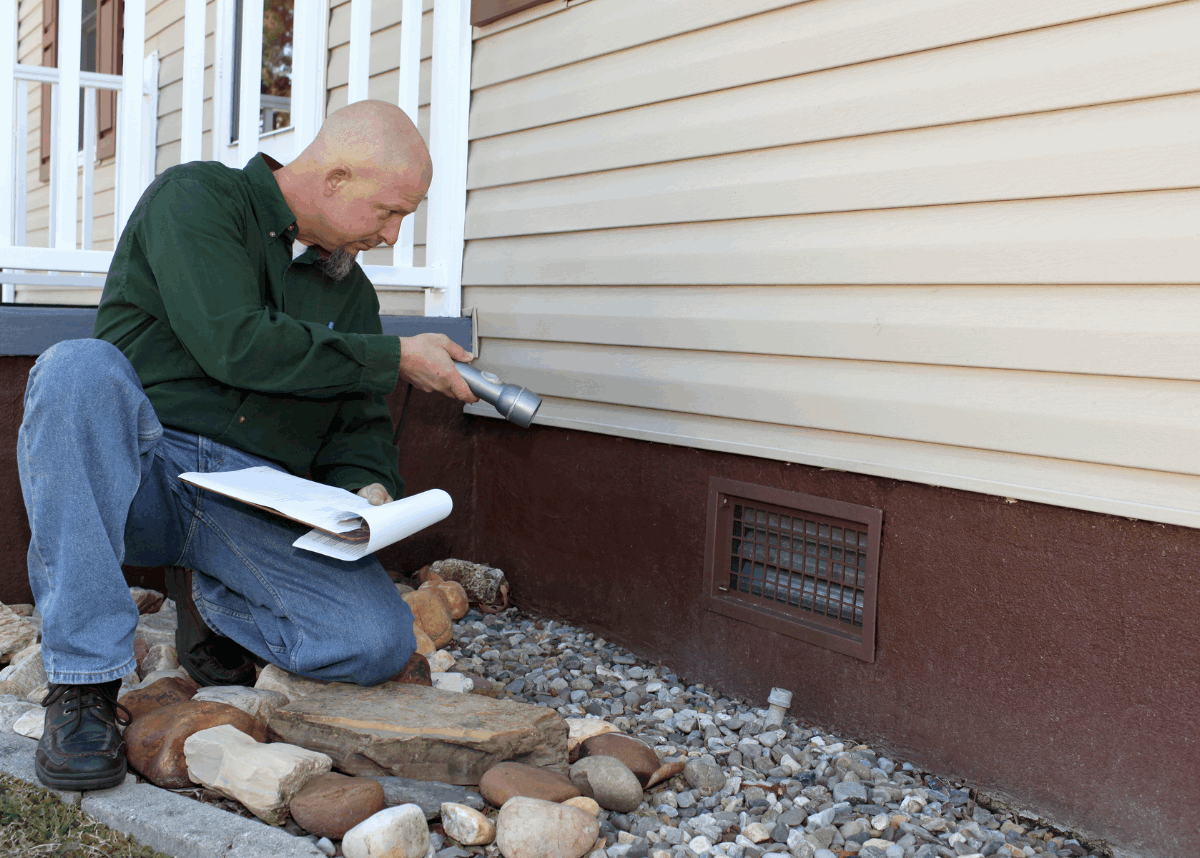
A home inspection is a visual evaluation of many of the property's readily accessible systems and components. Inspectors typically examine the roof, foundation, exterior, plumbing, electrical system, heating and cooling equipment, insulation, windows, doors, walls, ceilings, floors, and other visible features.
The inspection is designed to identify observable conditions on the day of the inspection. It is not a guarantee of future performance, nor does it predict every issue that could arise after closing.
Understanding that distinction helps buyers interpret inspection reports with realistic expectations.
Don't Panic Over a Long Report
One of the biggest surprises for first-time buyers is the length of many inspection reports. It's not unusual for reports to include dozens—or even hundreds—of observations.
That doesn't necessarily mean the home has serious problems. Many items are routine maintenance recommendations, safety suggestions, or minor repairs that naturally develop over time.
The most important part of the report is understanding which findings are significant and which are simply part of owning and maintaining a home.
What Happens After the Inspection?
After receiving the inspection report, buyers typically review the findings with their real estate agent and attorney. Depending on the terms of the transaction, there may be discussions regarding repairs, credits, or other solutions if significant issues are identified.
Every transaction is different, and the appropriate next steps depend on the specific findings, the purchase agreement, and the goals of both the buyer and seller.
The inspection is ultimately a tool that helps buyers move forward with greater confidence—not simply a list of reasons to walk away from a purchase.
Older Homes Require Context
Long Island has many beautiful homes that were built decades ago, and it's perfectly normal for older properties to reflect their age in certain ways. Original construction methods, aging mechanical systems, and routine wear can all appear in an inspection report.
The key is understanding whether those items represent normal maintenance, future planning, or issues that require more immediate attention. Age alone shouldn't automatically discourage buyers from considering an otherwise well-maintained home.
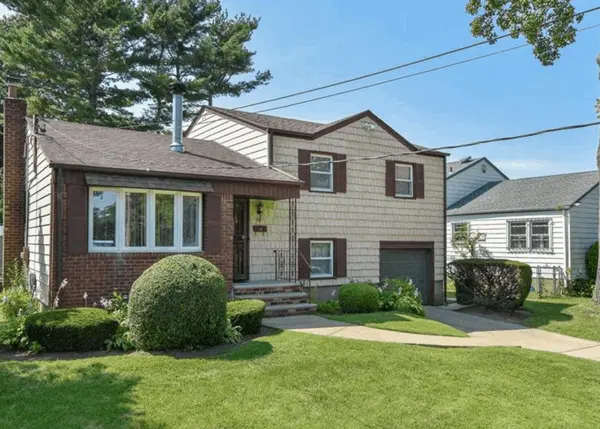
If you're comparing different home styles, it's also helpful to understand how construction can vary. For example, our guides to ranch homes and split-level homes explain some of the design characteristics buyers commonly encounter on Long Island.
Preparation Makes the Process Easier
The best home inspections happen when buyers arrive informed and prepared. Asking questions, attending the inspection when possible, and understanding the purpose of the report all contribute to a smoother experience.
Rather than viewing the inspection as an obstacle, think of it as one more opportunity to learn about the home you're considering and the responsibilities that come with homeownership.
✔ Home Inspection Tips
- Attend the inspection if your schedule allows.
- Ask questions throughout the process.
- Focus on major systems before cosmetic items.
- Read the full report carefully before making decisions.
- Discuss any concerns with your real estate professional and attorney.
The Bottom Line
A home inspection is one of the most valuable parts of the home-buying process because it helps buyers better understand the property they're purchasing. While inspection reports may seem intimidating at first, they are designed to provide information—not perfection.
When buyers understand the purpose of the inspection and view the findings in the proper context, they are better equipped to make informed, confident decisions.
If you're preparing to buy a home on Long Island and have questions about inspections or any other part of the process, I'd be happy to help guide you every step of the way. Let's get you moved.
Categories
- All Blogs (168)
- Baby Boomers (5)
- Beaches (8)
- Buyer Education (37)
- Central Suffolk Living (2)
- Communities (18)
- Demographics (1)
- Distressed Properties (1)
- Down Payments (4)
- Featured (5)
- First Time Home Buyers (20)
- For Buyers (42)
- For Sellers (34)
- Foreclosures (1)
- Generation X (4)
- Golf (1)
- Holidays (3)
- Holidays on Long Island (1)
- Home Buying Tips (12)
- Home Financing (1)
- Home Improvement (1)
- Home Preparation (2)
- Home Selling Tips (9)
- Home Styles (2)
- Homeownership (3)
- Housing Market Updates (17)
- Housing Trends (1)
- Infographic (4)
- Interest Rates (5)
- Lifestyle (41)
- Local Attractions (24)
- Long Island Housing Market (5)
- Long Island Living (44)
- Long Island Real Estate (44)
- Market Insights (29)
- Move-Up Buyers (19)
- Neighborhood Guide (2)
- New Construction (2)
- North Shore Living (1)
- Outdoor & Recreation (4)
- Pricing (13)
- Real Estate Process (2)
- Relocation Guide (36)
- Rent vs. Buy (6)
- Seller Education (24)
- Selling Myths (9)
- Senior Market (3)
- South Shore Living (5)
- Suffolk County Real Estate (3)
- Things to Do (21)
- Western Suffolk Living (5)
- Western Suffolk Neighborhoods (2)
Recent Posts





R.E. Associate Broker License ID: 10301221652
+1(631) 257-1522 | kenville@listingsoflongisland.com