

How Long Does It Really Take to Sell a Home on Long Island in 2026?
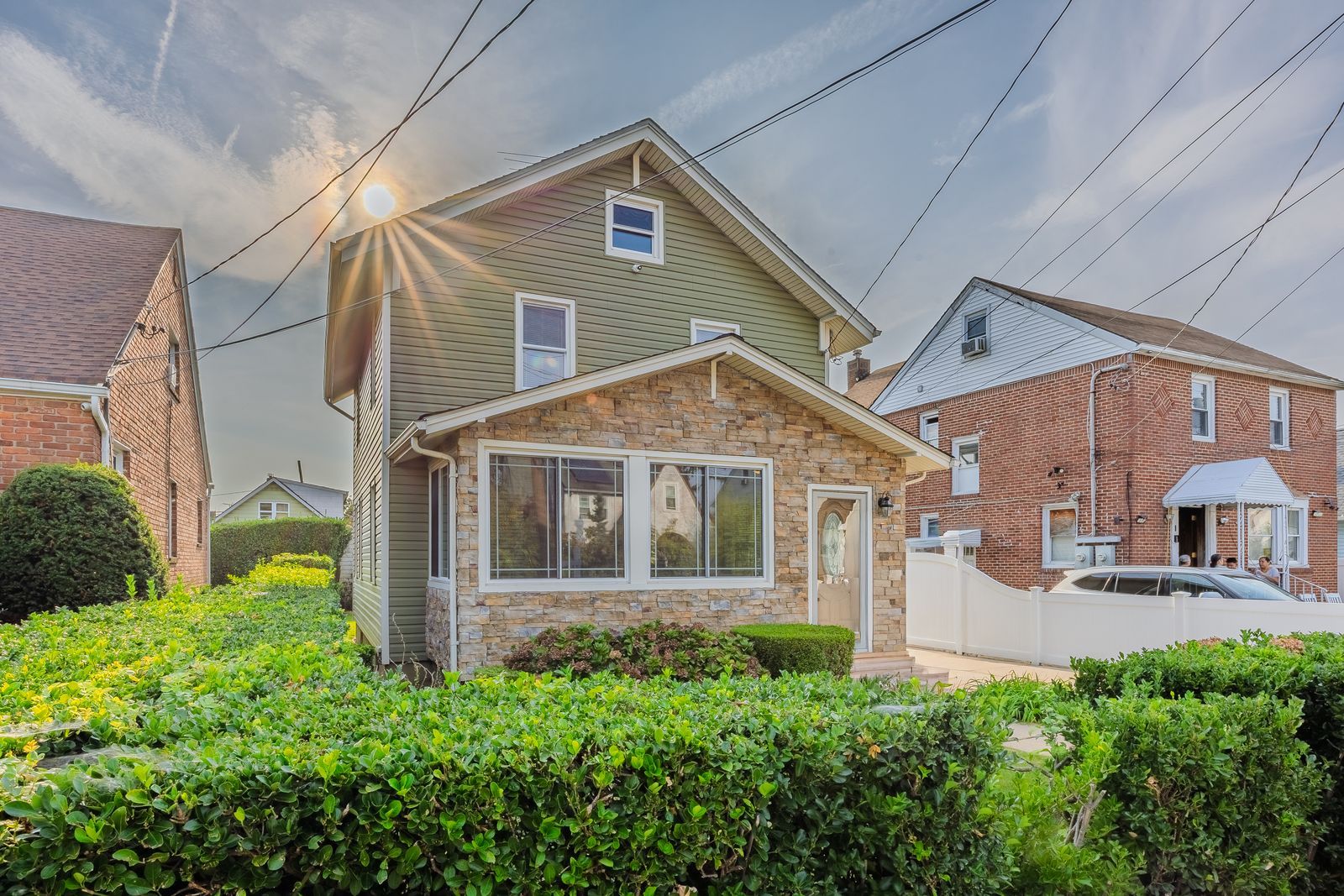
How Long Does It Take to Sell a Home on Long Island in 2026?
One of the first questions many homeowners ask when considering a move is simple: "How long will it take to sell my home?"
It's a reasonable question, but the answer is often more complicated than people expect. While market statistics can provide a useful benchmark, every property enters the market with a different combination of price, condition, location, competition, and buyer demand.
Some homes receive strong interest within days of hitting the market. Others take weeks or even months to find the right buyer. Understanding why that happens can help sellers set realistic expectations and make smarter decisions before listing.
The Average Doesn't Tell the Whole Story
Market reports often reference Days on Market, which measures how long it takes for a property to go under contract. While that number is useful, it can sometimes create unrealistic expectations because averages combine many different types of properties and situations.
A move-in-ready home that is priced correctly may generate significant activity almost immediately. Meanwhile, a home that is overpriced, poorly presented, or competing against stronger inventory may take considerably longer to sell.
That's why sellers should view market averages as a reference point—not a guarantee.
The First Two Weeks Are Often the Most Important
One of the most important periods in any listing is the first couple of weeks after it hits the market. This is when a home receives the greatest visibility from active buyers, agents, and people who have been waiting for new inventory to become available.
When a property enters the market with strong photography, effective marketing, and an attractive price point, it often creates momentum quickly. That momentum can lead to more showings, increased buyer interest, and stronger negotiating leverage.
Conversely, homes that struggle to attract attention early may find themselves fighting an uphill battle later.
This is one of the reasons we recently discussed why some Long Island homes sell immediately while others sit. The early stages of a listing often set the tone for everything that follows.
Pricing Has the Biggest Impact
If there is one factor that influences market time more than any other, it's pricing.
Buyers today have more information than ever before. They can compare listings, track price reductions, evaluate recent sales, and quickly determine whether a property feels aligned with current market conditions.
Homes that are priced appropriately from the beginning tend to attract more attention and stronger activity. Homes that enter the market above what buyers perceive as fair value often experience fewer showings and longer market times.
The challenge is that many sellers assume starting high leaves room to negotiate. In reality, pricing too aggressively can reduce interest before negotiations ever begin.
Condition and Presentation Matter More Than Ever
Today's buyers are selective. They are comparing homes carefully and often making decisions quickly about which properties deserve a closer look.
Cleanliness, lighting, curb appeal, maintenance, and overall presentation all influence how buyers perceive a property. In many cases, the difference between a home that sells quickly and one that lingers on the market comes down to preparation.
The same principle applies once buyers walk through the front door. As we explored in our article on what buyers notice immediately when walking into a home, first impressions often shape the entire showing experience.
Market Conditions Still Play a Role
Inventory levels, mortgage rates, seasonality, and buyer demand all influence how quickly homes sell.
In a market with limited inventory, sellers may experience stronger activity because buyers have fewer options. In a market with more inventory, buyers often take additional time to compare properties before making decisions.
That's why understanding current market conditions is so important. A home's performance should always be evaluated within the context of what's happening locally, not simply through national headlines.
What Sellers Should Focus On
Rather than focusing exclusively on how many days a home might spend on the market, sellers should concentrate on the factors they can control.
That includes pricing strategically, preparing the property properly, investing in professional marketing, and understanding how buyers are behaving in the current market.
When those pieces come together, sellers place themselves in the strongest possible position regardless of market conditions.
The Bottom Line
There is no single answer to how long it takes to sell a home on Long Island. The timeline depends on pricing, condition, presentation, competition, and overall market conditions.
The good news is that many of the factors that influence market time are within a seller's control. Understanding those factors before listing can make a significant difference in both the speed of the sale and the final result.
If you're considering selling and want a realistic assessment of what your home may be worth and how it may perform in today's market, I'd be happy to help. Let's get you moved.
Categories
- All Blogs (165)
- Baby Boomers (5)
- Beaches (8)
- Buyer Education (34)
- Central Suffolk Living (2)
- Communities (18)
- Demographics (1)
- Distressed Properties (1)
- Down Payments (4)
- Featured (5)
- First Time Home Buyers (20)
- For Buyers (42)
- For Sellers (34)
- Foreclosures (1)
- Generation X (4)
- Golf (1)
- Holidays (3)
- Holidays on Long Island (1)
- Home Buying Tips (12)
- Home Financing (1)
- Home Improvement (1)
- Home Preparation (2)
- Home Selling Tips (9)
- Home Styles (1)
- Homeownership (2)
- Housing Market Updates (17)
- Housing Trends (1)
- Infographic (4)
- Interest Rates (5)
- Lifestyle (41)
- Local Attractions (24)
- Long Island Housing Market (5)
- Long Island Living (41)
- Long Island Real Estate (41)
- Market Insights (29)
- Move-Up Buyers (19)
- Neighborhood Guide (2)
- New Construction (2)
- North Shore Living (1)
- Outdoor & Recreation (4)
- Pricing (13)
- Real Estate Process (2)
- Relocation Guide (35)
- Rent vs. Buy (6)
- Seller Education (24)
- Selling Myths (9)
- Senior Market (3)
- South Shore Living (5)
- Suffolk County Real Estate (3)
- Things to Do (21)
- Western Suffolk Living (5)
- Western Suffolk Neighborhoods (2)
Recent Posts






R.E. Associate Broker License ID: 10301221652
+1(631) 257-1522 | kenville@listingsoflongisland.com