

Should You Renovate Before Selling Your Long Island Home—or Sell It As-Is?
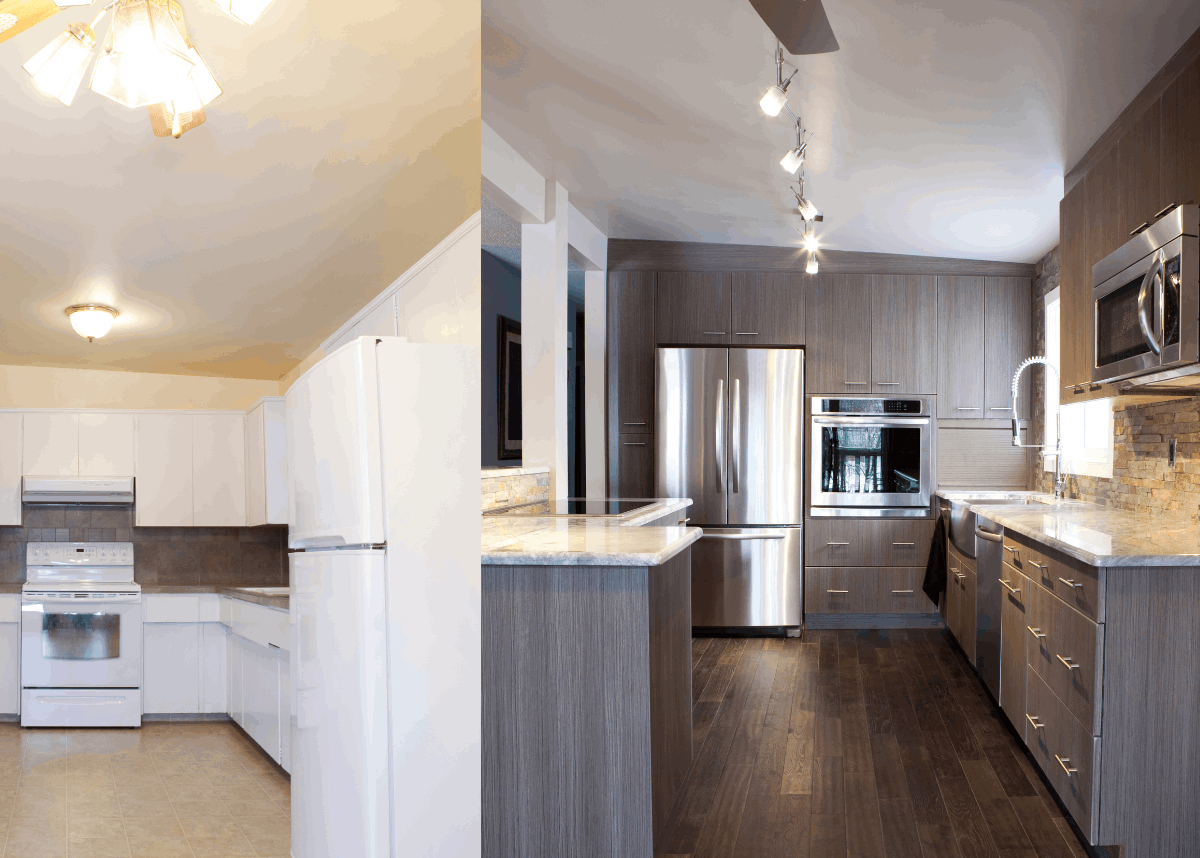
Should You Renovate Before Selling Your Long Island Home—or Sell It As-Is?
You know the kitchen is dated. The bathroom could use some attention. The carpeting has seen better days. Maybe there are a few repairs you've been meaning to get around to for years.
Now you're thinking about selling, and suddenly every unfinished project seems to be staring back at you.
That's usually when the question comes:
“Should I fix all of this before I put the house on the market?”
Maybe.
But probably not all of it.
One of the easiest mistakes a homeowner can make before selling is assuming that every improvement automatically adds value—or that buyers will reimburse you dollar-for-dollar for renovations you complete before listing.
That's not how the market works.
Sometimes renovating before selling can improve your home's presentation, attract more buyers, and help you achieve a stronger result. Other times, you can spend tens of thousands of dollars, months of your time, and a considerable amount of stress making improvements that don't materially change what a buyer is willing to pay.
The real question isn't simply whether your home needs updating.
It's whether completing those updates makes financial sense for your particular home, in your particular market, before you sell it.
Start With the Reason You're Renovating
Renovating a house you're planning to live in for another ten years and renovating a house you're preparing to sell are two very different projects.
When it's your home, you can choose finishes because you love them. You can redesign a kitchen around the way your family cooks. You can install the tile, cabinets, flooring, or fixtures that fit your personal taste.
When you're renovating for resale, the objective changes.
Now every dollar should have a job.
Will this improvement make the home more marketable? Will it remove an objection that could keep buyers from making an offer? Will it improve the way the property photographs? Could it help the home compete more effectively against similar listings?
If the answer is no, you may be improving the house for the next owner rather than improving your own financial outcome.
Before spending money on a pre-sale renovation, ask one question: Am I doing this because I personally dislike it, or because the market is likely to reward me for changing it?
“As-Is” Doesn't Mean Buyers Won't Inspect the House
This is an important distinction.
Sellers sometimes hear the phrase as-is and assume it means buyers simply accept whatever condition the property is in without asking questions.
That's not necessarily what happens.
A seller may market a property with the intention of making no repairs or improvements, but a buyer may still perform inspections and investigate the condition of the home, subject to the terms of the transaction.
The buyer can then decide whether they're comfortable moving forward under those terms.
So selling as-is isn't about hiding defects or discouraging due diligence. It's about establishing an expectation that the property's existing condition is being reflected in the transaction and that the seller isn't planning to renovate the house for the buyer.
Disclosure obligations and contractual rights are separate matters, and sellers should discuss those with their real estate attorney.
There's a Big Difference Between Dated and Defective
This is where I think homeowners need to separate two very different categories.
A kitchen with older oak cabinets may be dated.
A leaking kitchen sink damaging the cabinet and floor underneath it is a different issue.
An older bathroom may not match today's design trends. A toilet leaking into the ceiling below deserves a different conversation.
Buyers can often see past cosmetic age when the home has been maintained. Deferred maintenance, active leaks, unsafe conditions, nonfunctioning systems, or other material concerns can affect the way buyers evaluate the property much more significantly.
That doesn't automatically mean you need to repair everything before selling.
It means we need to understand what we're dealing with before deciding whether repairing it, pricing around it, or selling in its current condition makes the most sense.
The Best Pre-Sale Improvements Are Often the Least Exciting Ones
When homeowners hear “prepare the house for sale,” they often jump immediately to kitchens and bathrooms.
But some of the highest-impact improvements are far less dramatic.
Fresh neutral paint. Replacing damaged trim. Repairing a door that doesn't close properly. Updating worn or broken fixtures. Deep cleaning. Removing excess furniture. Improving lighting. Cleaning up landscaping. Power washing where appropriate. Addressing obvious maintenance items you've been living with so long that you barely notice them anymore.
Individually, none of those projects is likely to make for an exciting renovation show.
Together, they can completely change a buyer's first impression.
That's important because buyers don't experience your house as a spreadsheet of individual improvements. They experience the entire property at once.
A clean, bright, well-maintained home often feels very different from a home where buyers immediately start mentally creating a repair list.
Should You Renovate the Kitchen Before Selling?
This is probably the question I hear most often.
And my answer usually starts with another question:
How far behind the competition is your kitchen?
If buyers shopping in your price range are choosing between your home and several properties with updated kitchens, then condition may influence how they perceive value.
But that doesn't automatically mean a complete gut renovation is the answer.
Sometimes strategic improvements—paint, hardware, lighting, countertops when justified, appliance replacement where needed, or simply making the room cleaner and brighter—can improve presentation without committing to an expensive remodel.
There's also another problem with renovating a kitchen specifically for the next buyer:
You don't know exactly what that buyer wants.
You may spend $40,000 creating your version of the perfect kitchen only for a buyer to walk in and think, “The first thing I'd change is these cabinets.”
That's why major pre-sale renovations need to be evaluated very carefully.
Don't Spend $30,000 Just to Add $20,000 in Market Value
This sounds obvious when you read it.
Yet it's surprisingly easy to do.
Homeowners sometimes think about renovation in terms of what the project costs rather than what the market is likely to pay for the finished result.
Those are two completely different numbers.
Suppose your home might reasonably sell for $650,000 in its current condition. You consider spending $50,000 renovating it because you believe an updated version could sell for more.
The relevant question isn't whether the renovated home could sell for $700,000.
It's whether the likely increase in your net proceeds justifies the renovation cost, additional carrying expenses, project risk, and time required to complete the work.
If you spend $50,000 and several months renovating only to increase the eventual sale price by roughly the same amount, you haven't necessarily created $50,000 of additional value for yourself.
You may have simply converted cash and time into a higher sale price.
Think in Terms of Net, Not Just Sale Price
The goal of a pre-sale renovation isn't to produce the highest possible asking price. It's to determine whether spending the money is reasonably likely to leave more money in your pocket after the sale or meaningfully improve your ability to sell.
Time Has a Cost, Too
Renovations don't happen instantly.
Contractors have schedules. Materials get delayed. One project uncovers another. A two-week job becomes six weeks.
Meanwhile, you're still carrying the property.
Mortgage payments, property taxes, insurance, utilities, maintenance, and other ownership expenses don't stop because you're renovating for a future buyer.
Timing can matter for another reason as well.
Real estate markets change.
If your home is ready to sell today and you delay the listing several months to complete a renovation, you're making a second decision in addition to the renovation itself: you're choosing to sell into a future market rather than the market available to you now.
That future market could be better. It could be worse. It could look very similar.
We don't know in advance.
The time required to complete the work should therefore be part of the calculation—not an afterthought.
Sometimes the Buyer Would Rather Do It Themselves
There's another side to the renovation question that sellers sometimes overlook.
Some buyers actually prefer a house that hasn't been completely remodeled.
Why?
Because they want to choose their own kitchen, flooring, bathroom finishes, or layout rather than paying a premium for someone else's renovation.
A buyer who values customization may look at a well-maintained but dated home and see opportunity.
The tradeoff is price.
If buyers are expected to take on substantial updating after closing, the home's pricing and marketing need to make sense relative to updated alternatives.
This is where understanding your competition becomes more useful than following a generic list of “renovations that sell homes.”
What About Major Systems?
A 25-year-old roof, older boiler, aging central air system, outdated electrical components, or older cesspool or septic system creates a different conversation from dated countertops.
That doesn't mean every older component should automatically be replaced before listing.
Age alone doesn't necessarily mean something isn't functioning.
But major systems can affect a buyer's perception of future expense, and they may become part of the conversation during inspection or negotiations.
If you're dealing with an older onsite wastewater system, I've covered that subject separately in Cesspool, Septic, or Sewer? What Long Island Home Buyers Need to Know.
For sellers, the strategy remains the same: understand the condition, understand the likely buyer reaction, understand the cost of addressing it, and then make an informed decision instead of automatically replacing everything that's old.
So When Does Selling As-Is Make Sense?
There are plenty of circumstances where selling without major renovations may be the better strategy.
Maybe you inherited the property and don't want to manage a renovation. Maybe you're relocating. Perhaps you don't have the cash available to complete substantial improvements. Maybe the house needs enough work that renovating it would turn into a much larger project than you want to take on.
Or perhaps the market simply doesn't justify the investment.
Selling as-is can allow you to bring the property to market sooner and transfer the renovation decisions to the next owner.
The key is recognizing that condition and price work together.
You can't necessarily price an as-is property as though it has already received every improvement buyers are expected to make after closing.
If the market sees $75,000 worth of work ahead, pretending that work doesn't exist won't make buyers forget about it.
A thoughtful pricing and marketing strategy acknowledges the home's current condition while emphasizing the value and opportunity that are already there.
Before You Call a Contractor, Find Out What the Market Says
If you're considering selling within the next several months, this is the part I'd do first.
Before choosing cabinets. Before ordering flooring. Before signing a renovation contract.
Let's look at the house as it sits today.
Then let's look at the homes buyers would compare it with.
What have similar properties sold for in updated condition? What have they sold for when they needed work? What's currently competing for the same buyer? How quickly are those homes selling? And what improvements actually appear to be influencing the difference?
Once we understand those numbers, we can begin separating improvements that may be worth considering from improvements you're unlikely to recover.
That conversation can sometimes save a homeowner thousands of dollars before the house ever reaches the market.
The Bottom Line
You don't need a brand-new kitchen, designer bathrooms, and perfect finishes to sell a home on Long Island.
And you shouldn't automatically sell everything as-is simply because renovations are inconvenient.
There is a middle ground.
Sometimes the right strategy is a major improvement. Sometimes it's a handful of targeted repairs and cosmetic updates. Sometimes it's cleaning, decluttering, improving presentation, and bringing the home to market exactly as it is.
The decision should come down to the numbers, the condition of your property, your timeline, your financial situation, and what buyers are currently rewarding in your segment of the Long Island market.
So if you're thinking about selling, don't begin with a contractor's estimate.
Begin with an understanding of what your home may be worth before and after the work.
Then decide whether doing that work is actually worth it.
Thinking About Selling a Long Island Home That Needs Some Work?
Before you spend money renovating, let's look at your home's current condition, recent comparable sales, competing listings, and what buyers are actually paying for updated versus as-is properties in your market.
From there, we can build a strategy around the improvements that make sense—and skip the ones that don't.
Let's Get You Moved.
This article is intended for general educational purposes. The potential value, return, cost, permitting requirements, and market impact of home improvements vary by property and circumstances. Sellers should consult appropriate licensed contractors, attorneys, tax professionals, municipal authorities, or other professionals when applicable.
Categories
- All Blogs (163)
- Baby Boomers (5)
- Beaches (8)
- Buyer Education (32)
- Central Suffolk Living (2)
- Communities (18)
- Demographics (1)
- Distressed Properties (1)
- Down Payments (4)
- Featured (5)
- First Time Home Buyers (20)
- For Buyers (42)
- For Sellers (34)
- Foreclosures (1)
- Generation X (4)
- Golf (1)
- Holidays (3)
- Holidays on Long Island (1)
- Home Buying Tips (12)
- Home Financing (1)
- Home Improvement (1)
- Home Preparation (2)
- Home Selling Tips (9)
- Homeownership (1)
- Housing Market Updates (17)
- Housing Trends (1)
- Infographic (4)
- Interest Rates (5)
- Lifestyle (41)
- Local Attractions (24)
- Long Island Housing Market (5)
- Long Island Living (40)
- Long Island Real Estate (39)
- Market Insights (29)
- Move-Up Buyers (19)
- Neighborhood Guide (2)
- New Construction (2)
- North Shore Living (1)
- Outdoor & Recreation (4)
- Pricing (13)
- Real Estate Process (2)
- Relocation Guide (35)
- Rent vs. Buy (6)
- Seller Education (23)
- Selling Myths (9)
- Senior Market (3)
- South Shore Living (5)
- Suffolk County Real Estate (3)
- Things to Do (21)
- Western Suffolk Living (5)
- Western Suffolk Neighborhoods (2)
Recent Posts







R.E. Associate Broker License ID: 10301221652
+1(631) 257-1522 | kenville@listingsoflongisland.com